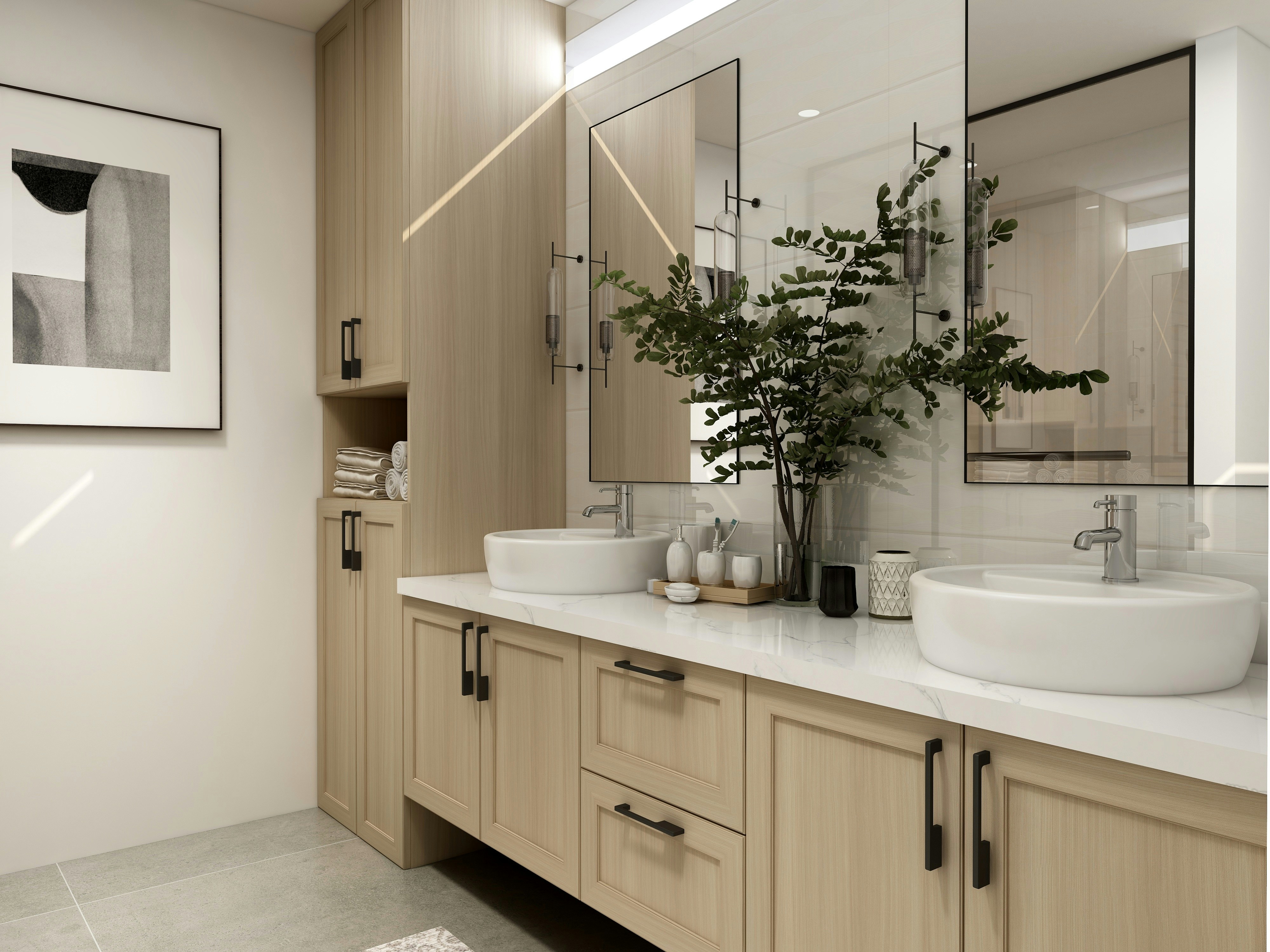
Design
Innovative Designs for 2025
Fresh interior and exterior ideas that boost value.
Before choosing materials, ask yourself what purpose they serve. Will they need to withstand heavy traffic, resist moisture, or support significant weight? For instance, entryways or hallways see a lot of foot traffic, so durable materials like stone or ceramic tiles might be ideal. Hardwood is a great option for living areas where comfort and style are key.
Additionally, take into account the specific environmental conditions. If the area is prone to humidity, like a bathroom or laundry room, opt for materials like porcelain tiles or waterproof vinyl. These options are designed to resist water damage and ensure longevity.
Using functional materials ensures durability, cost-effectiveness, and peace of mind over time. It also saves on future maintenance costs by minimizing the need for repairs or replacements.
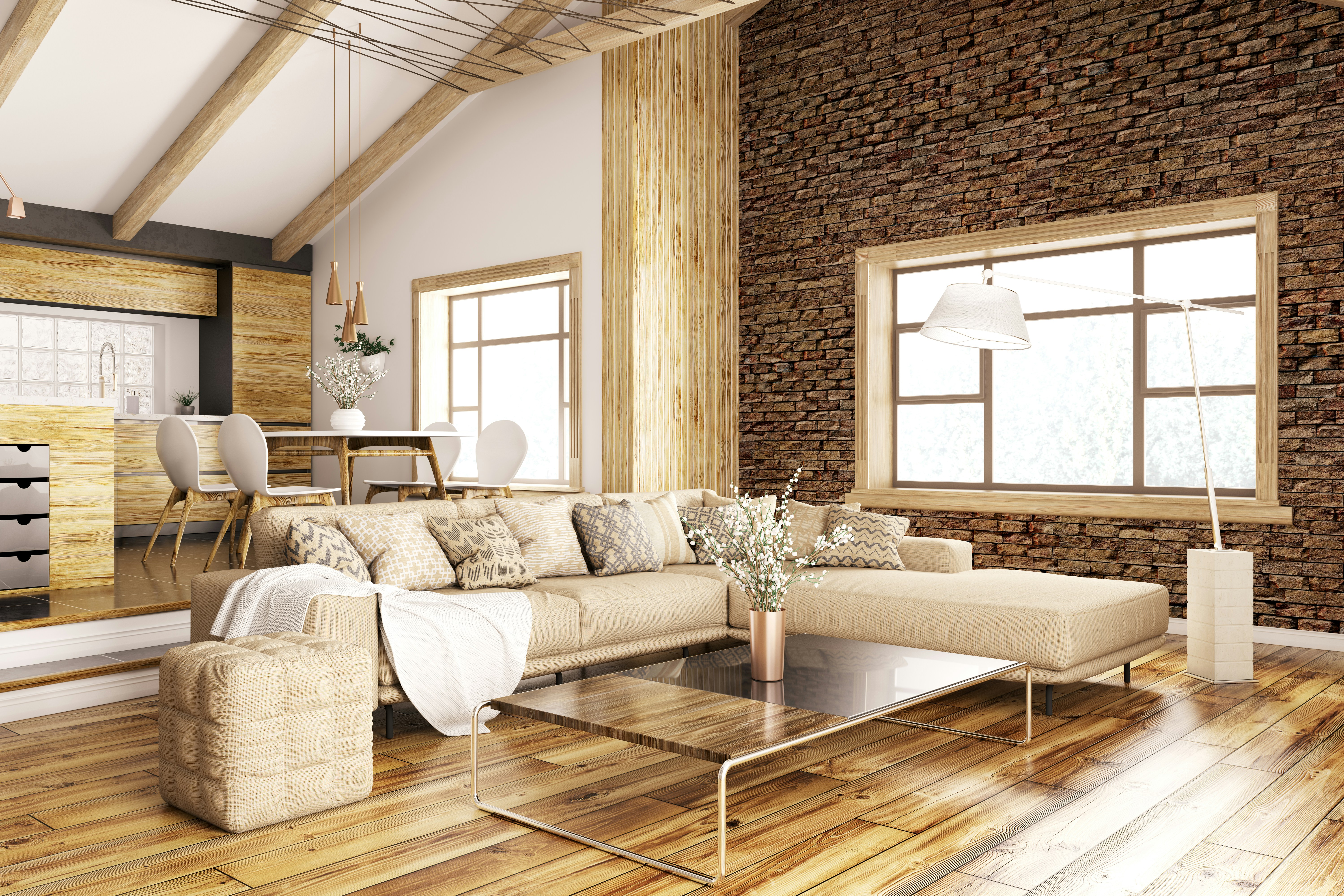
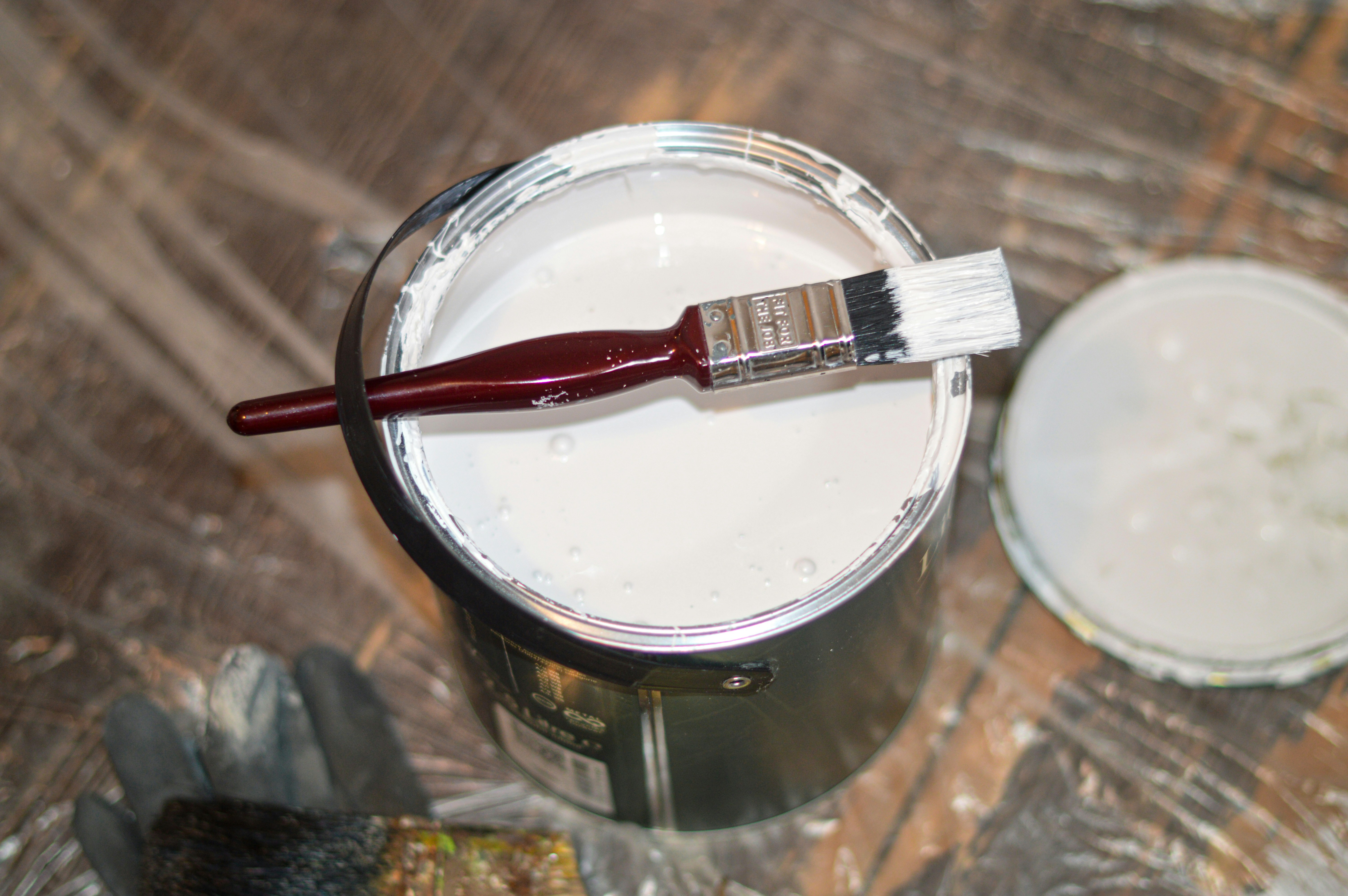
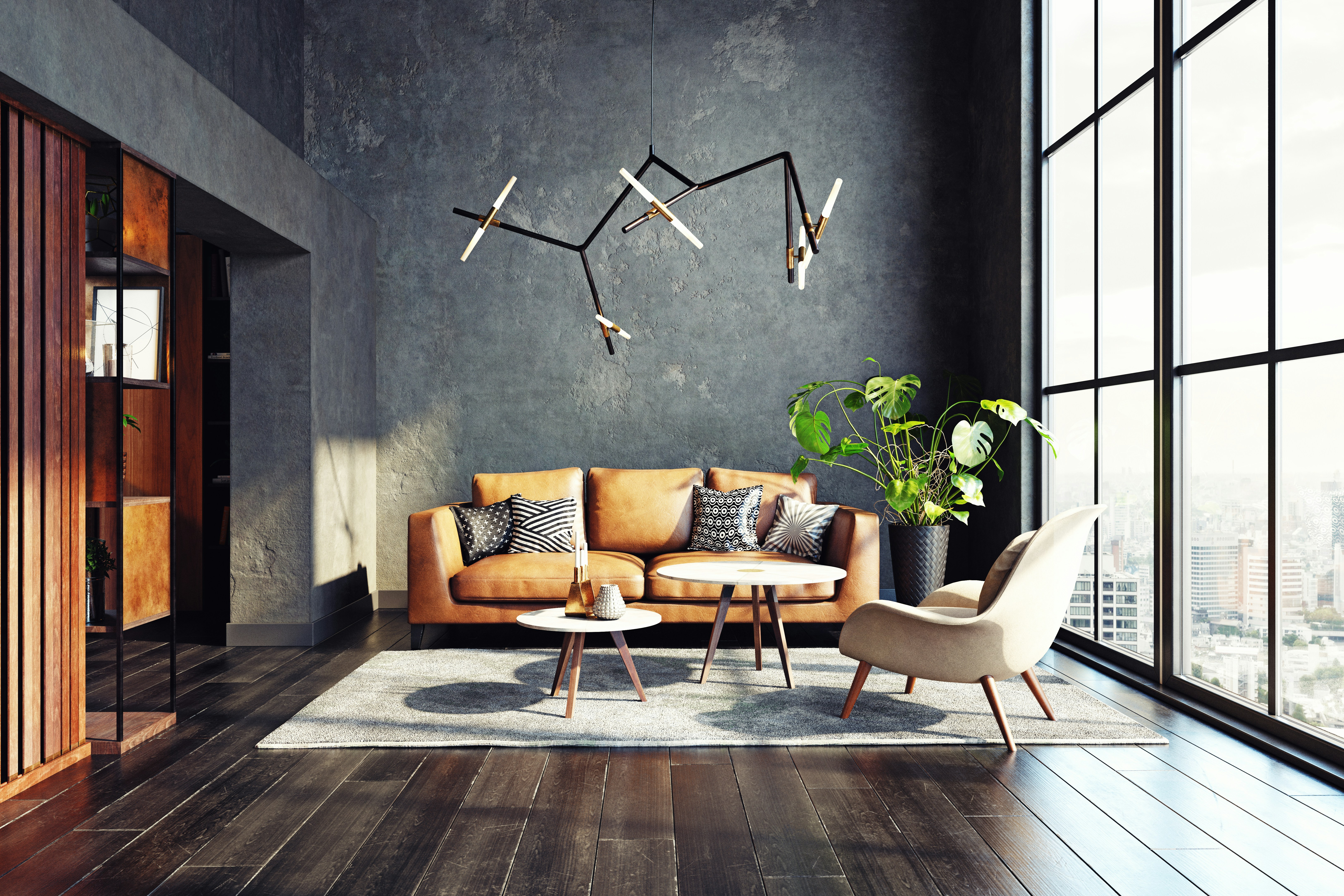
The materials you choose should align with the overall style and ambiance of your project. For a modern aesthetic, think sleek and minimal: polished concrete, glass panels, and stainless steel can create a chic, contemporary vibe. For a more rustic or traditional look, focus on warm materials like reclaimed wood, brick, and natural stone.
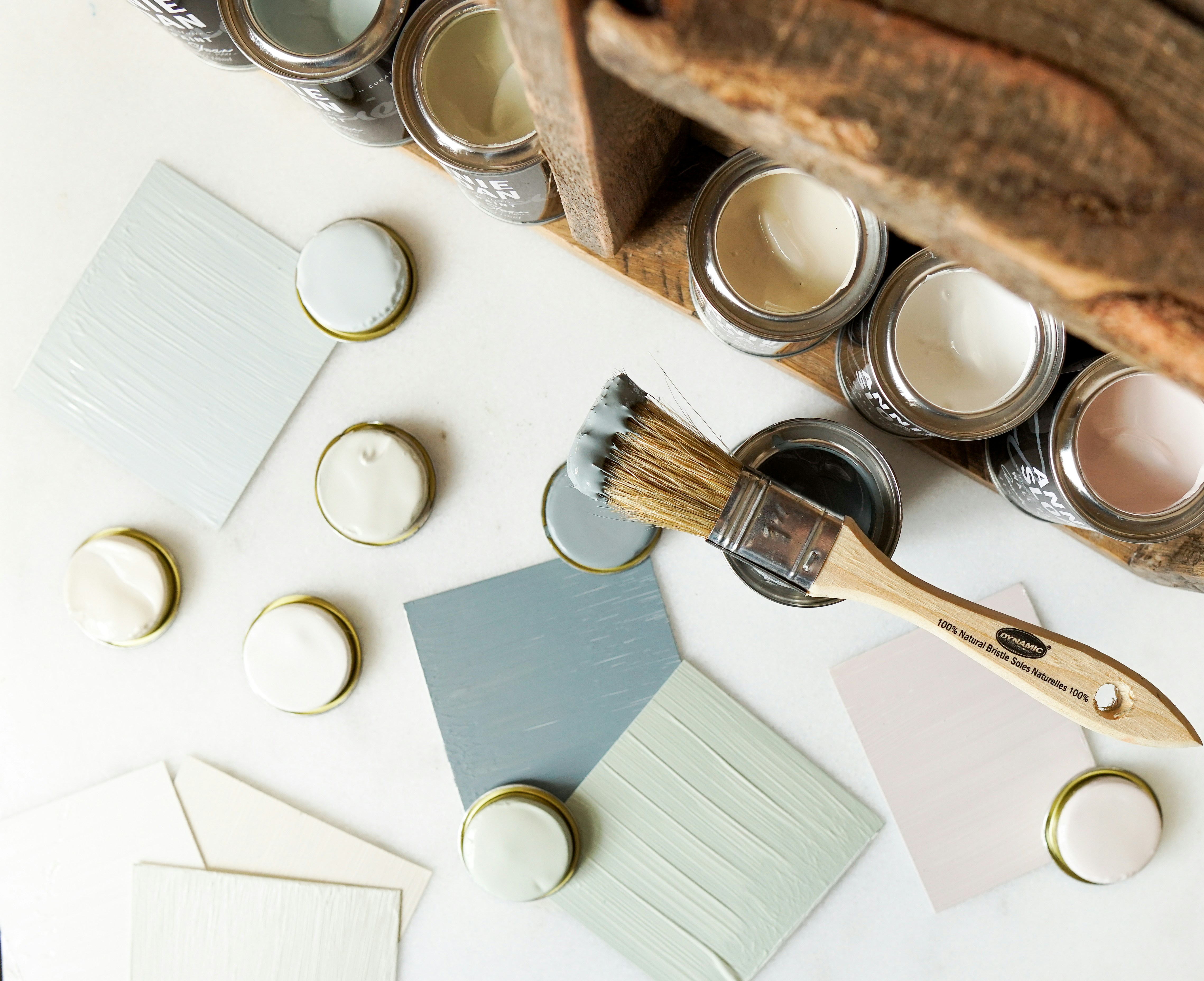
Color schemes also play a major role. Neutral tones like whites, grays, and beiges work well for modern designs, while earthy tones complement rustic and vintage styles. Mix and match textures—like combining matte finishes with glossy surfaces—to add depth and character to your space.
Remember, the aesthetic appeal of materials isn't just about their look; their feel and tactile quality can also create a sense of luxury and comfort.
Eco-friendly materials are not only better for the environment but also cater to the growing demand for sustainable living. Materials like bamboo, which grows rapidly and regenerates naturally, are excellent for flooring and furniture. Recycled materials, such as reclaimed wood or repurposed metal, reduce waste and add a unique character to your project.
When choosing sustainable materials, look for certifications like FSC (Forest Stewardship Council) or LEED (Leadership in Energy and Environmental Design). These labels ensure the materials are sourced responsibly and meet high environmental standards. Additionally, opt for paints and finishes with low or no VOCs (volatile organic compounds) to improve indoor air quality and reduce chemical exposure.
Incorporating sustainability into your project not only benefits the planet but can also enhance the energy efficiency and market value of your home or building.
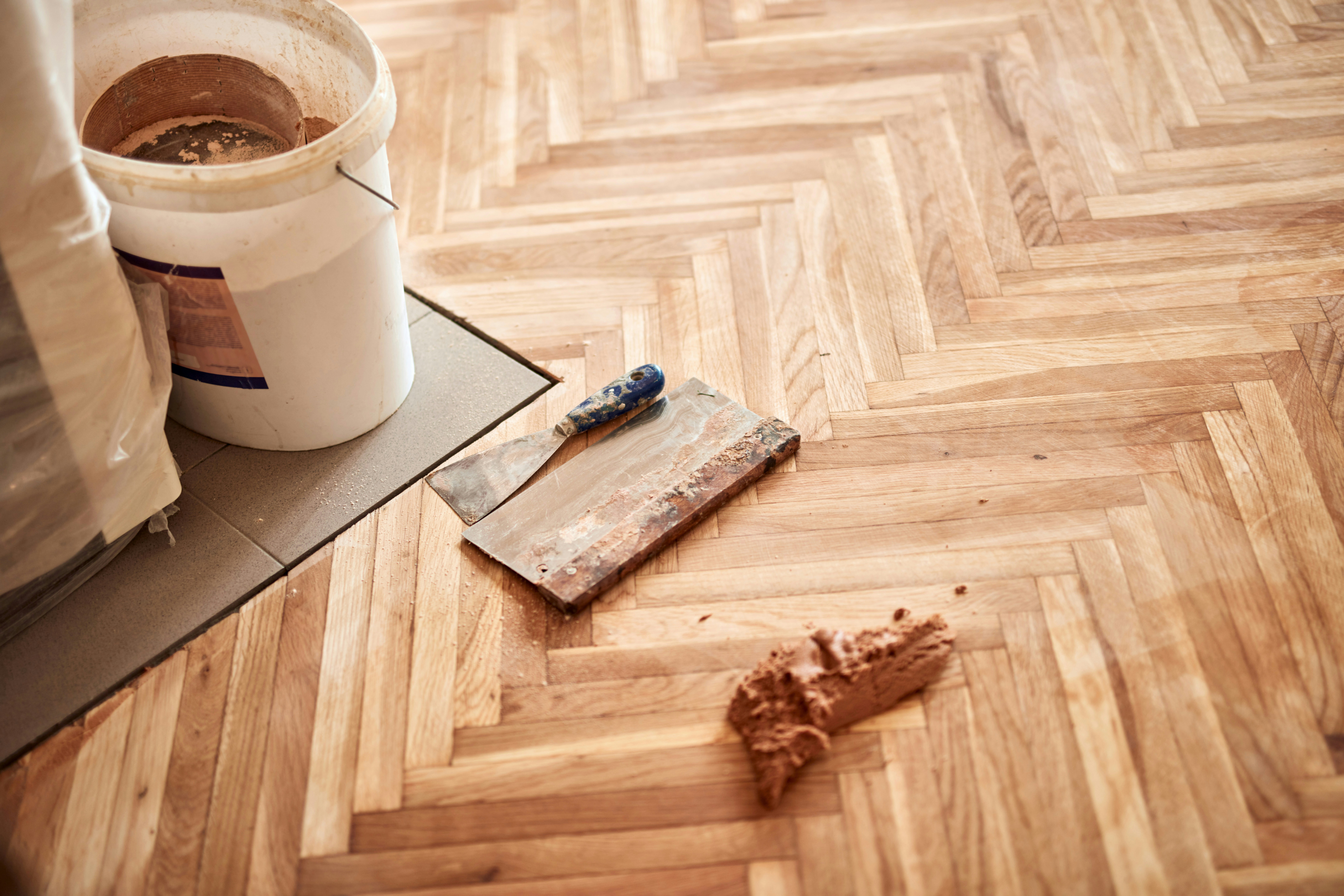
While it may be tempting to go for the cheapest option, investing in high-quality materials often pays off in the long run. Premium materials like quartz countertops, engineered hardwood, or fiber-cement siding may have a higher upfront cost but are far more durable and require less maintenance over time.
That said, balancing quality with your budget is essential. You can achieve this by mixing high-end materials with cost-effective alternatives. For example, you might opt for luxury finishes in focal areas, like a marble backsplash in the kitchen, while choosing more budget-friendly options, like laminate, for less prominent spaces.
Consult professionals to identify where it makes sense to invest and where you can save without compromising the overall quality of your project.
Design
Fresh interior and exterior ideas that boost value.
Guides
Durability, function, and timeless style combined.

Sustainability
Build greener, smarter, and longer-lasting structures.
Technology
How AI, robotics, and data are revolutionizing construction.